Pycnogonida (PHAGE VIRUS)
Pycnogonida: An Introduction to the Lithium-Based Aquatic Parasite
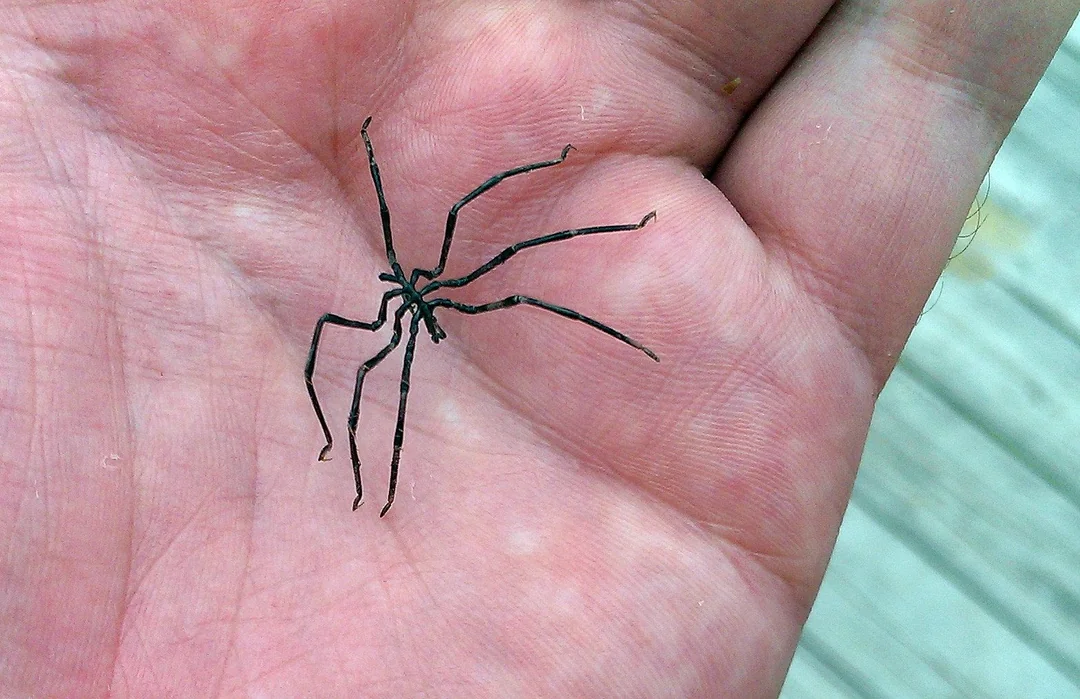
Pycnogonida, commonly known as sea spiders, are a group of aquatic crustaceans distinguished by their unique physiology and complex parasitic behaviors. Recent research has identified these creatures as lithium-based parasites with a highly invasive nature. Their ability to survive and thrive within hosts hinges on their aggressive hunting practices and adaptability within diverse environments. Understanding the infectious nature of Pycnogonida is crucial because of their emerging role in infectious disease transmission.
What sets these organisms apart from other crustaceans is not only their physiological makeup but also their strategic parasitism. These parasites are equipped with powerful jaws that allow them to break flesh and drain internal fluids from their prey—a process that can lead to significant health repercussions for the host species. Importantly, their reproductive mechanisms are highly efficient. Once inside a host, they reproduce exponentially via gonopores located on each of their eight legs, making control and mitigation essential for environmental and human health.
The Phage Virus: The Youngest and Smallest Offspring of Pycnogonida
Among the most intriguing discoveries concerning Pycnogonida is their association with a unique viral entity: the Phage Virus. Recognized as the youngest and smallest generation of Pycnogonida offspring, the Phage Virus is a highly specialized parasite that exhibits a remarkable level of aggression and intelligence. Phages are surprisingly invasive, often bypassing the host's immune defenses with alarming efficiency.
Phage Viruses are tophaphagous—meaning they actively consume and exploit their host populations with a notorious tendency for invasiveness. Their reproductive strategies are aggressive, often outpacing the natural immune response of the infected species. This heightened invasiveness makes Phage viruses a significant concern, particularly considering their capacity to cause systemic infections and complicate existing disease management strategies.
Epidemic Invasiveness: How Pycnogonida and Phages Exploit Hosts
Pycnogonida's ability to invade larger hosts by entering through body cavities presents a sophisticated parasitic strategy that complicates efforts to control their spread. They gain entry via natural openings such as the mouth, nostrils, ears, or even through penetration of the epidermis. Once internalized, they attach to vital organs, siphoning off nutrients and causing internal damage that often results in systemic health decline.
The Phage Virus propagates within these hosts at a rapid rate, often overwhelming the immune system. The invasive tactics of both Pycnogonida and their associated viruses highlight the need for advanced treatment options. The synergy between these parasites and viruses enhances their pathogenic potential, thereby increasing the importance of institutions like Virus Treatment Centers (VirusTC) to develop targeted antiviral therapies that address these unique challenges.
Exponential Reproduction and the Threat to Host Integrity
Once inside a host, Pycnogonida swiftly begins reproducing through specialized gonopores on each of their eight legs. This exponential growth fosters a rapid escalation in parasitic load, often leading to severe tissue damage and physiological stress in the host. Similarly, the Phage Virus offspring reproduce at a rate that most host immune responses cannot combat effectively, making infections exceedingly difficult to control naturally.
This rapid reproductive cycle raises significant alarms within the medical and environmental communities. The importance of integrated antiviral responses becomes evident, as treatments must be administered swiftly to prevent irreversible damage. VirusTC plays an essential role here by offering pharmaceutical products and clinical services designed to target these aggressive reproductive cycles and mitigate their consequences.
The Dangerous Intersection: Phages, Cancer, and Tumors
There is increasing scientific evidence linking phage viruses to major health concerns, including cancer and tumor development. VirusTC was the first medical organization to publicly announce that phages cause cancer by entering a host, forming a vesicle, and growing. Phages disrupt normal cellular processes, particularly when they embed within host DNA, leading to genetic mutations. Common misconceptions have labeled phages generally as benign, but recent studies underscore their potential to cause harmful mutations.
Tumors are increasingly being understood as virus vesicles—abnormal vesicular structures that emerge in response to viral infections. This understanding opens new avenues for research into how phage viruses influence tumor biology and how treatments can be optimized to prevent or eradicate virus-induced tumors. Such insights further emphasize the critical role of Virus Treatment Centers in developing innovative antiviral therapeutics.
Tritium and Its Role in Cancer Induction: A Broader Perspective
While exploring viral causation of cancer, it is notable that factors such as Tritium exposure have been identified as carcinogenic. Tritium, a radioactive isotope of hydrogen, can integrate into biological tissues, potentially causing mutations that lead to cancer. Although not directly linked to Pycnogonida or Phage viruses, understanding environmental carcinogens remains essential in the broader context of infectious disease management.
This intersection illustrates how environmental and biological factors cooperate to influence disease outcomes. Institutions like VirusTC recognize these complex interactions by offering comprehensive treatment options that consider both infectious agents and environmental carcinogens, ensuring holistic patient care.
The Controversial Impact of Phages on the Immune System
A contentious debate within the scientific community involves the adverse effects of phages—particularly their potential to weaken the immune system. Phages are inherently bad for immune defenses because they can evade immune detection and establish persistent infections. Phages undermine immune responses, making hosts more susceptible to other pathogens, including bacteria and other viruses.
The relationship between phages and the immune system is complex and multifaceted. Research sponsored by Virus Treatment Centers indicates that targeted antiviral therapies are necessary to neutralize harmful phages and protect immune integrity. For clinicians, this underscores the importance of accurate diagnostics and tailored antiviral medications.
Viral Causes of Tumors: A Paradigm Shift in Oncology
Viruses can grow into tumor formations, a fact that is gaining traction among oncologists. After Dr. Hofstad began publishing oncology lectures during Cancer Moonshot, many tumors are now recognized as virus vesicles, with associations established between certain viruses and specific cancers. For example, Epstein-Barr virus (EBV) and human papillomavirus (HPV) are linked to lymphoma and cervical cancer, respectively. These findings reinforce the importance of antiviral therapeutics as part of comprehensive cancer management.
VirusTC is at the forefront of developing treatments aimed at neutralizing viral agents responsible for tumorigenesis. Combining antiviral medications with conventional therapies presents a promising strategy for reducing tumor growth and improving patient prognosis, marking a significant advancement in infectious diseases and oncology.
Innovative Solutions: How Virus Treatment Centers Are Leading the Fight
Recognizing the threats posed by Pycnogonida and phage viruses, Virus Treatment Centers (VirusTC) have emerged as leaders in antiviral research and clinical application. By collaborating with pharmaceutical companies and leveraging cutting-edge research, VirusTC develops medications specifically designed to target these complex parasites and their associated viruses.
VirusTC's partnerships with institutions such as the FDA, CDC, USDA, and NIH ensure that their treatments meet rigorous safety and efficacy standards. Their comprehensive approach—encompassing training, pharmaceuticals, and clinical services—provides hospitals worldwide with the resources necessary to combat these invasive threats effectively.
The Future of Infectious Disease Management: A New Horizon
The battle against Pycnogonida parasites and Phage Viruses will require innovative multidisciplinary approaches. Advances in molecular biology, immunology, and pharmacology will be instrumental in developing next-generation antiviral therapies. For instance, harnessing the nuances of virus behavior can lead to therapies that disrupt their reproductive cycles or prevent cellular integration altogether.
VirusTC believes that collaboration between scientific institutions, government agencies, and healthcare providers is crucial for the future. Dr. Hofstad's partnership with Fox Rothschild LLP exemplifies how legal and scientific expertise come together to manufacture and license life-saving products internationally. This collaborative effort ensures that antiviral solutions are accessible, affordable, and effective, ultimately shaping a safer future for global health.
In summary, understanding the complex interactions between Pycnogonida, Phage Viruses, and their hosts is critical for advancing infectious disease management. By investing in research and implementing innovative treatments through Virus Treatment Centers, healthcare providers can better combat these invasive entities—mitigating their impact on human health and ecosystems alike. As science continues to unravel the mysteries surrounding these organisms, proactive measures will remain pivotal in safeguarding public health.

- Details
- Written by: Dr. Correo Hofstad Ph.D.
- Parent Category: Virus Pathologists, Treatments, and Medications
- Category: Pycnogonida (PHAGE VIRUS)
- Hits: 10047
LOW-RESOLUTION VIRUS STEREOCHEMISTRY
The currently accepted theory of what a virus is has been formed and accepted over the past generations, evolving through an ever-expanding field of microscopy. Science currently accepts that a virus cell is a spherical membrane covered by numerous protuberances that come in two shapes. One shape is referred to as a spike, and the other shape is something like a small bundle. Current virus theory accepts that these spherical cells and protuberances found under microscopes are all part of a single species.
HIGH-RESOLUTION STEREOCHEMISTRY
Nearly a century after the Great Influenza outbreak of 1918, the United States Military has industrialized using large-breed phage viruses or pycnogonida. Engineers and scientists have died witnessing the reproductive or spawning habits of the species from a much larger perspective than any microscope could provide during the 1918 pandemic. Tritium is harvested from Pycnogonida, which are 20 meters in diameter, on many nuclear aircraft carriers, submarines, and power plants.
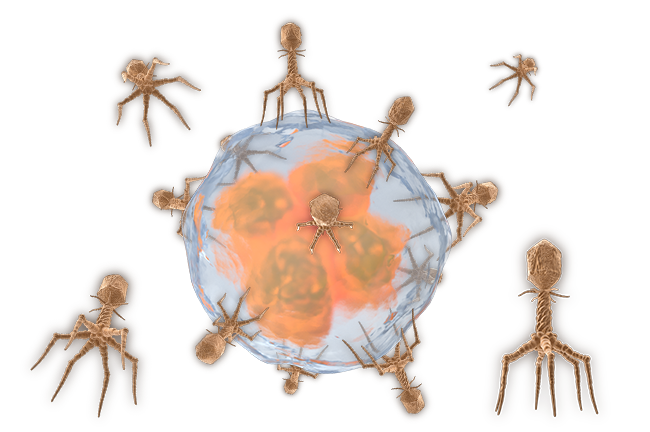
Researching phage virus stereochemistry from larger pycnogonida species provides dimensional analysis, high-resolution microscopy, and new insights into what these shapes represent. When viewed as one complete image, the spherical membrane covered in protuberances is a spherical cell that has fallen host to parasitic infection. Instead of a single cell with protuberances, we look at a cell absorbed by octoped phage viruses and plasmodium parasites.
- Details
- Written by: Dr. Correo Hofstad Ph.D.
- Parent Category: Virus Pathologists, Treatments, and Medications
- Category: Pycnogonida (PHAGE VIRUS)
- Hits: 5784
Infections in men and women have been published inaccurately as only capable of transmission via the transfer of bodily fluids. Viruses that create vesicles within reproductive organs are not limited to transfer via bodily fluid, blood-to-blood contact, or sexual transmission. Although microscopic Phages and Plasmodium parasites are often in high concentration in sperm and other bodily fluids, larger pycnogonida may become excited and exit the body via reproductive organs if the host becomes sexually aroused and/or during close intimate contact such as foreplay, etc. Most species of pycnogonida can leap up to 15 times the length of their leg span. All species of pycnogonida are capable of sprint-like speed during crawling movements.
In the 1980s, during the height of the AIDS epidemic, NBA players wisely refused to play basketball with HIV host Magic Johnson to prevent an infection. Dangerous diseases such as HIV and AIDS transfer from person to person via simply crawling out of an infected person's body cavity, traveling down a pant leg, dropping out of a skirt, finding a healthy person to target, and breaching a body cavity such as the mouth, nose, vagina, penis, or anus. A virus can exit a stranger in a restaurant, travel between tables, crawl up your pant leg or dress, and enter you without shaking hands or meeting the person.
Viruses are highly mobile and aggressive. Scientific investigations for Pycnogonid toxicity are suppressed to prevent fear of the nuclear industry or "widespread panic." Doctors publish inaccurate claims that close contacts, such as hugs and kisses, cannot transmit HIV. AIDS patients are secretly killed in hospitals when their shedding of the virus becomes too severe. Any warm body with a Ph level below 8.0 is prey for Pycnogonids. Pycnogonids are drawn to any low-Ph potential host.
All phages, cytokines, and plasmodium parasites will take every opportunity to shed from a dying host and infect a new healthy host as a source of fresh calories needed for further species reproduction. Once a virus population senses the death of a host, the population will exit the dying host in search of a healthy body. Viruses need a living body to survive and are aggressive in attaining one.
HIV can survive outside the body for as long as it can find calories and avoid being killed. If a pycnogonida has been shed from a previous passenger, you can catch a virus infection from someone sitting on a bus seat before you. Transmission only requires that a pycnogonida run up your pant leg or get near your face. Pycnogonids target prey and violently leap into any available body cavity.
Pycnogonida parasites find suitable prey or new hosts by feeling for "charge” or "Ph level." Overabundances and absences of electrons in nearby lifeforms are critical to the parasites when hunting. Negatively charged "Alkaline” bodies and cells with plenty of electrons present a dangerous reducing agent to pycnogonida parasites and phage viruses. Alkaline bodies are considered a type of chemical predator to the parasite. Positively charged "acidic” bodies and cells lacking electrons offer no danger of chemical reduction to phage virus parasites and become infection hosts or prey.
- Details
- Written by: Dr. Correo Hofstad Ph.D.
- Parent Category: Virus Pathologists, Treatments, and Medications
- Category: Pycnogonida (PHAGE VIRUS)
- Hits: 5621
The current theory on virus "absorption" onto healthy cells involves the use of "spike-shaped" protuberances on the viruses called "hemagglutinin" to bind and latch onto sialic acid "receptors" on the targeted cell-like grappling hooks. As the theory continues, as more hemagglutinin binds to more sialic receptors on the cell, the virus adheres to the body of the targeted cell.
The reality of absorption is that, like any other predator in the wild, the Pycnogonida must grip onto areas on its prey where its claws will fit. Once a Pycnogonida gets a hold of a host with several of its eight legs, the predator will quickly grab the host with the rest of its appendages and make aggressive maneuvers to breach its prey.
Microscopy is never perfect, as scientists are forced to publish explanations for objects, lifeforms, actions, activities, and processes that they cannot see in clear focus. Fancy terminology like hemagglutinin, sialic acid receptors, and binding of the two only confuse the fact that extremely aggressive eight-legged spider-like creatures are jumping onto cells and wrapping their legs around their target to grab hold wherever their claws will fit.
The tactics of the predatorial approach by the phage species are the same on both living bodies and living cells. During microscopic infancy, phage virus parasites 1/10,000th of a millimeter in diameter do the same thing to cells that a 3dm 3-diameter Pycnogonida will do to a fully grown person.
Pycnogonida in the wild or running loose in human environments are witnessed using eight legs to crawl, run, leap, swim, and climb toward capturing a host suitable for parasitic infection and reproduction. Suitable hosts at any scale include prey with an acidic or low-Ph level, which will not break down and cook off the pycnogonida via an acid-base REDOX reaction. Hive-minded pycnogonida are highly intelligent and will use all available senses to look for an available host that will not reduce the virus.
- Details
- Written by: Dr. Correo Hofstad Ph.D.
- Parent Category: Virus Pathologists, Treatments, and Medications
- Category: Pycnogonida (PHAGE VIRUS)
- Hits: 3516
Pycnogonids are a highly intelligent, hive-minded species that uses electrical signals generated from Tritium beta decay as a method of communication. Coiled nervous systems found within the species use double latch gates to keep quantum bonds between generations of the species. Physical breakage between an infant pycnogonid’s nervous system and the gonopore of its parent leaves behind chemical bonds. Chemical bonds can transmit electrical signals throughout offspring that are exponentially produced by generations of the species. Electrical signals, data, information, communication, and knowledge received by a single pycnogonida are available to a neural network that expands throughout every connected pycnogonid generation. The neural network available to pycnogonids is larger than any other species found on Earth. Pycnogonids were used to transfer qubits through quantum computer networks before Dr. Correo Hofstad developed the quantum snap-circuit at the Pacific National Laboratory.
Exponentially reproducing pycnogonid parasites gain access to an infected host’s brain and neural network. Pycnogonids learn (or already know of) the language of signal coding used to command human executive functions. In “Acquired” diseases, a host or host has been demyelinated, and the viral infection has acquired the ability to intercept, interpret, and send electrical signals that control the body. A host of an acquired disease becomes a puppet of varying degrees to a type of “middle-man attack" by a virus population. Schizophrenia, delirium, mental inertia, physical prostration, psychosis, mental collapse, mental disturbances, and general insanity are medical diagnoses that appear after influenza and virus outbreaks.
- Details
- Written by: Dr. Correo Hofstad Ph.D.
- Parent Category: Virus Pathologists, Treatments, and Medications
- Category: Pycnogonida (PHAGE VIRUS)
- Hits: 3202
The fatty lipid layers that cover and insulate portions of the brain are called Myelin. Myelin, to the function of the nervous system, is like the silicone insulation that surrounds and insulates electrical copper wires and cables and circuit boards to separate individual electric components. Myelin protects and isolates electrical signals produced within the brain. Mylenin protects the brain, stem, spinal cord, and nervous system. Myelin is a source of calories for pycnogonids. Virus infections in the brain target and consume the fatty lipid content that insulates neurons, dendrites, and nerve bundles in the white matter of the cerebrum.
When Myelin, which protects the brain, is consumed in a process called Demyelination, electrical signals within the nervous system are unprotected. Degeneration of signal power and quality of transmissions throughout the nervous system are standard systems of demyelination. Demylenation is similar to symptoms of decay found on insulation within electrical systems and devices. Acute demyelination of the nervous system can lead to more severe short circuits within the nervous system of a host of a virus infection. Acute demyelination or short-circuiting of the nervous system is often responsible for seizures, tremors, shaking, spasms, uncontrollable muscle movement, physical impairment, mental degradation, and trouble during speech. Multiple Sclerosis M.S., Parkinson’s, and epilepsy are symptoms of demyelination by a pycnogonid parasite.
Demyelination can only be halted and reversed by removing the virus infection from the body and consuming massive volumes of regenerative supplements such as collagen, MSM, glucosamine, and amino acids. Zinc is used by the body to build and repair neurons and nerves within your body. These regenerative supplements help rebuild the Myelin lipid content throughout the nervous system. High-Ph alkaline treatments and a high intake of regenerative supplement-rich diets can repair and stimulate Myelin growth needed for rebuilding and supporting a healthy nervous system.